
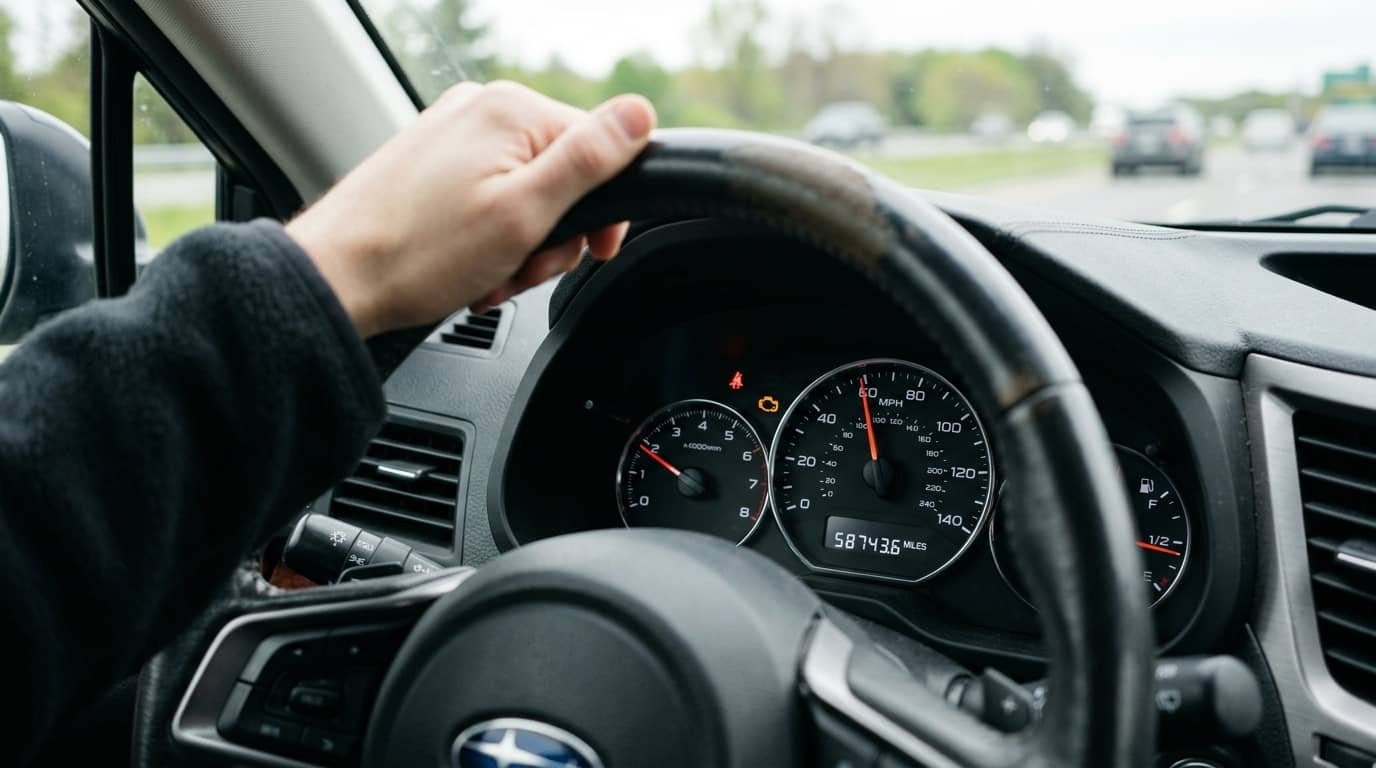
Knowing how to tell if an odometer has been rolled back is one of the most useful skills you can bring to a used car purchase.
Odometer fraud is more common than most buyers realize. The NHTSA estimates that over 450,000 vehicles with false mileage readings are sold every year in the US. That adds up to more than a billion dollars in losses for people who paid more than a car was worth because they did not know the real number on the clock.
The mileage on the dash is not always the mileage the car has actually traveled. Here is how to check before you buy.
Run the VIN first to see whether the reported mileage history lines up with what the seller is showing you.
Why Knowing How to Tell If an Odometer Has Been Rolled Back Matters
A car with 80,000 miles is worth meaningfully more than the same car with 130,000 miles. That gap creates a financial incentive to roll back the odometer, and some sellers act on it.
Beyond the price, mileage affects how close the car is to needing major service like timing belt replacement, transmission work, or engine work. Buying a car with hidden high mileage means those costs hit sooner than you planned.
Check the Vehicle History First
The most reliable way to spot a rollback is to compare the odometer reading you see against the mileage that has been recorded at different points in the car’s life.
Every time a car goes in for service, is sold at auction, is inspected, or changes hands, the mileage is often recorded somewhere. A vehicle history report pulls those records together. If the car shows 62,000 miles today but had 78,000 miles at its last recorded inspection, something is very wrong.
This is the check that catches most rollbacks because tampering with a digital odometer does not erase the records that were already filed with third parties.
Look at the Title Mileage
The original title will show the mileage at the time the title was issued. Compare that number to what is on the dash now. If the dash reads lower than the title, that is a clear red flag.
Even if the numbers are in the right order, watch for suspiciously round mileage jumps between title transfers that do not match real-world driving patterns.
Check the Service Records
Ask for any service records, oil change stickers, or repair receipts. These often have the mileage written on them. Line them up in order and look for consistency. A car that jumped from 55,000 miles in one record to 48,000 miles in a later one has been tampered with.
No records at all is not automatically fraud, but it removes a layer of protection. Be more cautious when there is nothing to cross-reference.
Physical Signs on Older Vehicles
On cars with mechanical or older digital odometers, look at the instrument cluster itself. Signs of tampering can include:
- Scratches around the screws holding the cluster in place
- Numbers that do not sit perfectly level or aligned on a mechanical odometer
- A cluster that looks newer than the rest of the dash
On newer vehicles with fully digital displays, these physical checks are less useful because swapping or resetting a digital cluster leaves no visible marks.
Look at Wear and Tear
A car with 60,000 miles should look like a car with 60,000 miles. High-wear areas tell a story the odometer cannot hide:
- The driver’s seat bolster, which wears down over years of use
- The steering wheel grip, which becomes smooth and shiny with heavy use
- The brake and gas pedal pads, which wear through on high-mileage vehicles
- Door handles and entry points, which show wear from repeated use
If the seller is claiming 60,000 miles but the steering wheel is worn smooth and the driver seat is heavily bolstered out, the car has probably seen more use than the display shows.
Get the ECU Scanned
Modern vehicles store mileage data in multiple places within the engine control unit, not just the instrument cluster. A scan of the ECU at a reputable shop will pull those numbers and compare them to what the dash shows. If they do not match, the odometer has been altered.
This scan typically costs between $75 and $150 and is worth it on any vehicle where you have doubts about the mileage.
The Bottom Line
Odometer rollback is harder to pull off than it used to be, but it still happens every day. The best protection is to verify the mileage history independently rather than taking the seller’s word for it.
Cross-reference the vehicle history report against the title records and any service documents you can get your hands on. If anything does not add up, treat it as a hard stop.
Check the VIN report now and see whether the recorded mileage history matches what you are being told.
Frequently asked questions
How common is odometer fraud in the United States?
More common than most buyers realize. CARFAX reported 2.45 million vehicles currently on US roads with suspected odometer rollbacks, a 14 percent increase in a single year. NHTSA estimates more than 450,000 vehicles are sold each year with false mileage readings. The shift from mechanical to digital odometers did not eliminate the problem; it changed the method. Inexpensive devices available online can reset a digital odometer in under an hour.
What physical signs suggest an odometer may have been rolled back?
Look at the steering wheel grip: a car with 60,000 miles should not have smooth, shiny wear on the wheel. Check the driver’s seat bolster for heavy wear. Look at the pedal pads, which wear consistently with actual mileage. Check the door handle and armrest wear. High-use surfaces that show significantly more wear than the odometer would suggest are a strong indicator that the mileage is not accurate.
What legal recourse do you have if you bought a car with a rolled-back odometer?
Federal law makes odometer fraud a crime punishable by fines and imprisonment. Civil remedies exist and victims can sue for three times the actual damages or fifteen hundred dollars, whichever is greater, plus attorney fees under the federal odometer act. The challenge is proving the seller knew the odometer was false. A vehicle history report showing a mileage discrepancy is strong evidence that can support a legal claim.