Learning how to do a VIN check is one of the fastest ways to protect yourself when buying a used car.
A VIN check is one of the most useful things you can do before buying a used car. It takes a few minutes and can surface information about the vehicle’s history that the seller may not be volunteering.
This article covers what a VIN is, where to find it, what a check will show you, and how to read what comes back.
Run the VIN here and get a report on this vehicle before you go further.
What Is a VIN and Why You Need to Know How to Do a VIN Check
VIN stands for Vehicle Identification Number. It is a 17-character code assigned to every vehicle manufactured for sale in the US since 1981. No two vehicles share the same VIN, which makes it the most reliable identifier for a specific car throughout its entire life.
The VIN encodes information about the manufacturer, country of origin, vehicle type, model year, production plant, and production sequence. It is the thread that connects every record ever generated for that specific vehicle.
Where to Find the VIN
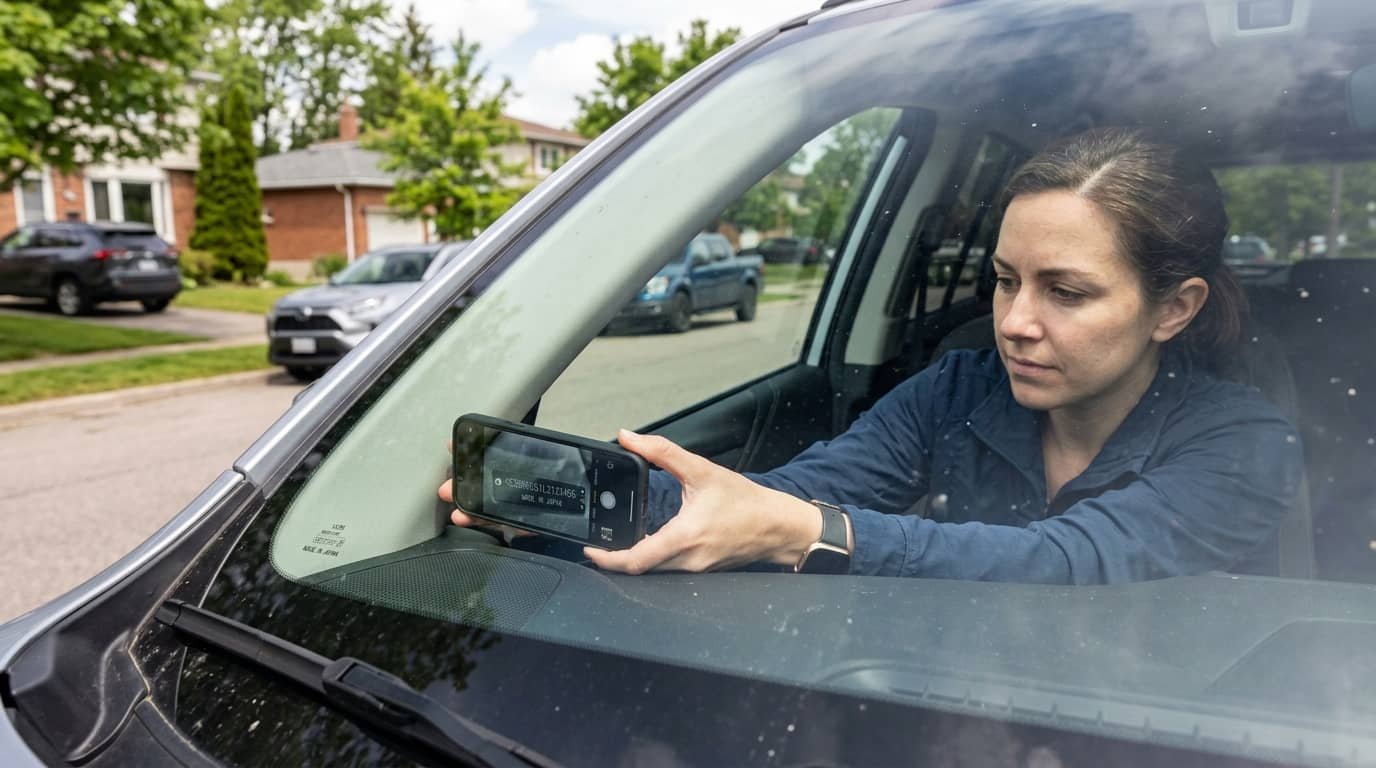
The most accessible location is the dashboard, visible through the windshield on the driver’s side at the base of the glass. You can read it from outside the car without opening a door.
It also appears on the driver’s door jamb sticker, on the engine block, on the vehicle title, and on the insurance and registration documents. All of these should match. If they do not, that is a serious red flag suggesting the car may have a replacement engine or tampered paperwork.
What a VIN Check Shows You
The scope of a VIN report depends on what has been reported and recorded for that vehicle over its life. A comprehensive check can include:
- Title history, including any salvage, rebuilt, flood, or lemon law brands
- Number of previous owners
- Reported accident history
- Odometer readings recorded at different points in time
- Service and maintenance records where available
- Theft and recovery records
- Lien records showing whether money is still owed on the vehicle
- Auction records, including photos if the car was sold at salvage auction
- Open safety recalls from NHTSA
Not every event in a vehicle’s life gets recorded. An accident that was not reported to insurance, a title that was washed in a state with looser rules, or odometer tampering that predates the digital record trail may not show up. A VIN check is a powerful tool, but it is not a guarantee of a clean history.
How to Read the Results
The most important things to look for in a VIN report:
Title brands. Any salvage, rebuilt, flood, lemon, or junk title brand is significant. These do not go away and they follow the vehicle permanently. Our articles on what a salvage title means and what a rebuilt title means cover what these brands actually mean for the car.
Odometer history. Look at the mileage readings recorded over time and check whether they form a consistent, ascending line. A drop in recorded mileage or a suspicious jump is a flag for potential rollback fraud.
Accident history. Look at the number of reported incidents, the severity reported, and whether the damage was structural. Also note what was not affected. A minor rear-end incident disclosed and properly repaired is different from structural damage or airbag deployment.
Number of owners and registration states. A car that has moved through multiple states in a short period can sometimes indicate title washing. A car with many previous owners in a short time has a different kind of story worth understanding.
Lien records. If there is an active lien on the vehicle, the lender has a claim on it. Buying a car with an undisclosed lien can mean losing the car to repossession even after you paid the seller.
What a VIN Check Does Not Replace
A VIN report is a records check. It reflects what was reported. It does not replace a physical inspection, and it cannot see problems that were never documented.
Use the VIN check to screen the car and guide your questions to the seller. If the report is clean, that is a good sign. If anything looks off, either dig deeper or move on.
Pull the full report on this vehicle now and know what you are working with before you make any decisions.
Frequently asked questions
Where do you find the VIN on a car?
The VIN is in several places on every car built since 1981. The most visible location is on the dashboard on the driver’s side, visible through the windshield from outside the car. It is also on a sticker inside the driver’s door jamb. The VIN appears on the title, registration, and insurance documents. On older vehicles it may also be stamped on the engine block or frame. All locations should show the same 17-character number.
What is the difference between decoding a VIN and running a VIN check?
Decoding a VIN reads the information built into the 17-character number itself: the manufacturer, country of origin, vehicle type, model year, plant, and serial number. Running a VIN check looks up the history associated with that number in external databases: title events, accidents, mileage records, ownership transfers, and lien status. Both are useful but for a used car purchase, the history check is what tells you what actually happened to the vehicle.
How often should you run a VIN check when shopping for a used car?
Every time you seriously consider a specific car, before you go see it. Run it on the VIN from the listing before the meeting. If the listing does not include the VIN, ask for it in your first message. A seller who will not provide the VIN before you show up is a red flag in itself. Running the check before the meeting means you can evaluate the history objectively without the seller present.