
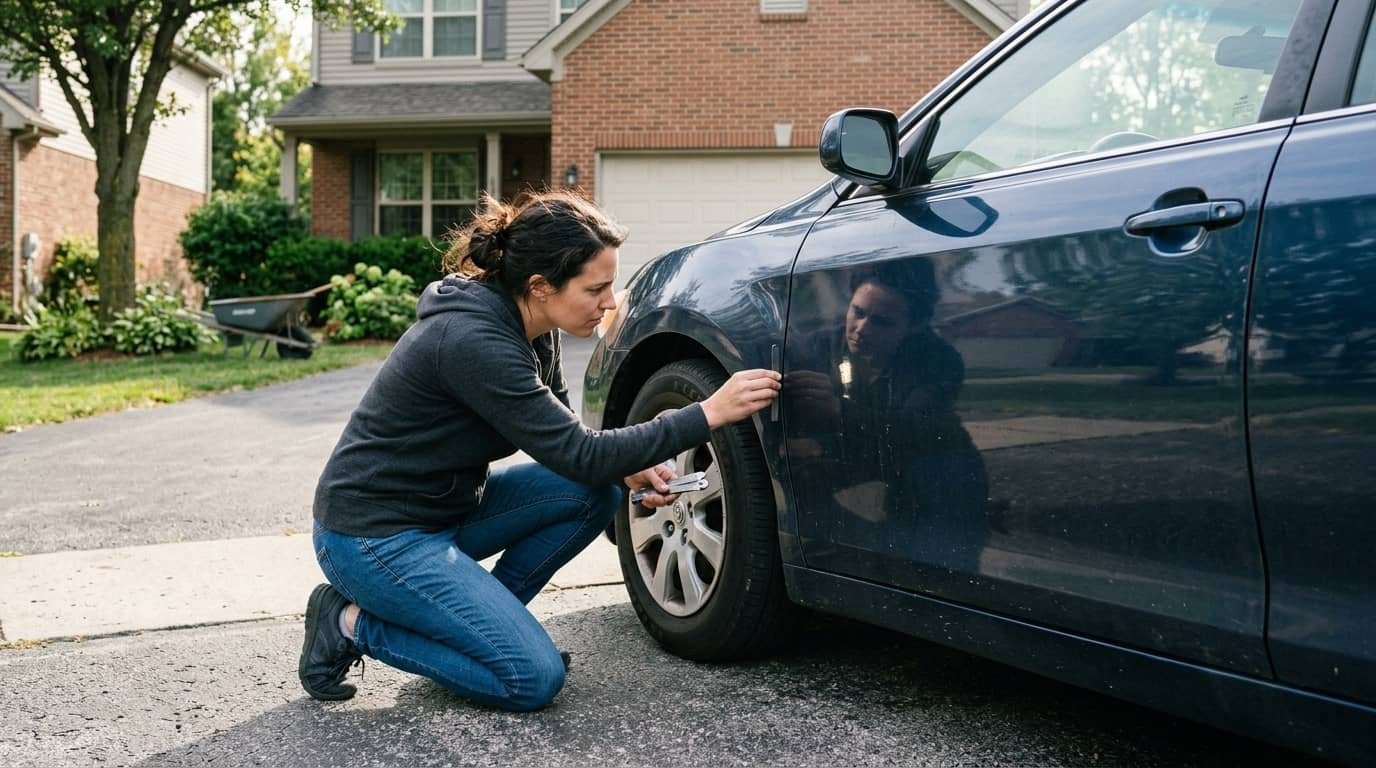
Knowing the red flags when buying a used car from a private seller can save you from a deal that costs far more than expected.
Buying a used car from a private seller can save you money. It can also put you in the middle of a situation that costs far more than a dealership ever would have. The difference comes down to how carefully you vet the seller and the vehicle before any money changes hands.
Here are the red flags worth taking seriously.
Run the VIN before you meet up and find out what the vehicle’s record shows before you invest time in this deal.
Red Flags When Buying a Used Car From a Private Seller: Price
A car priced significantly below market value is not always a good deal. Sometimes it is the first signal that something is wrong with the vehicle or with the transaction. Sellers with clean, honest cars generally do not need to price below market to move them.
Check what comparable vehicles are selling for in your area. If the price on this one is substantially lower with no obvious explanation, find out why before you get invested in the deal.
The Seller Rushes You
High-pressure tactics and urgency are classic manipulation tools. Claims that another buyer is coming tomorrow, that the price goes up next week, or that you need to decide today are designed to prevent you from doing the due diligence that might cost them the sale.
A seller with a legitimate car and nothing to hide is comfortable with you taking the time you need. Anyone who is not comfortable with that is telling you something.
They Won’t Let You Get an Inspection
Most honest private sellers are willing to let you take the car to a trusted mechanic for a pre-purchase inspection. It is a reasonable request, and a seller who refuses or makes excuses for why that is not possible is a red flag.
Insist on this on any significant purchase. A mechanic inspection before you buy is far cheaper than discovering major problems after.
The Title Is Not in Their Name
If the title shows a different name than the person selling you the car, ask why. A seller should be able to explain the discrepancy clearly. Buying a car where the title is not in the seller’s name can be related to title jumping. Our article on what title jumping is explains the risks that come with that situation.
They Won’t Give You the VIN
There is no legitimate reason to withhold the VIN. A seller who won’t provide it is preventing you from doing a history check, which is itself the answer to why they will not provide it. Our article on what to do when a seller won’t give you the VIN covers this situation specifically.
The Ad or Story Keeps Changing
If the listing description does not match what the seller tells you on the phone, and what they tell you on the phone does not match what you see when you arrive, inconsistency is worth noting. Sellers who are making things up tend to lose track of details across conversations.
Something Smells Off
A musty or mildewy smell, especially one masked by heavy air freshener, can signal flood damage. Trust your nose. Our article on how to spot a flood damaged car covers what else to look for.
The Meeting Conditions Are Strange
Scams involving cars that do not exist often come with reasons the seller cannot meet in person or needs payment before you see the vehicle. Never send money for a car you have not inspected in person. This applies regardless of how convincing the story sounds.
What to Do Before You Meet
Before you go to see any private sale vehicle, get the VIN and run a history check. You will know about title brands, reported accident history, odometer records, and whether there is an outstanding lien on the car.
Check the VIN report now before this conversation goes any further.
Frequently asked questions
What is the biggest red flag when buying a used car from a private seller?
Resistance to sharing the VIN before you show up is the most reliable single red flag. It means the seller is preventing you from running a history check before you invest time and emotion in looking at the car. Every other red flag requires you to be present to evaluate it. This one you can catch from the first message. A seller with a clean car has no reason to withhold the VIN.
Should you walk away from a private seller deal if something feels off?
Yes, without hesitation. There are always other cars. The pressure of a deal that feels close, a price that seems good, or time already spent looking at a car are not reasons to push through a bad feeling. Sellers who use urgency, who change their story, who resist inspection, or whose paperwork does not add up are showing you something. The cost of walking away from a deal is zero. The cost of buying the wrong car is significant.
Is it safer to buy from a private seller or a dealer?
Dealers are subject to more legal obligations around disclosure and have reputations to protect. Private sellers sell as-is in most states with limited legal recourse available to buyers after the sale. That does not mean dealers are always safer or more honest, but the legal framework around private party sales gives buyers less protection if problems surface after the purchase. The VIN check and mechanic inspection are even more critical in private party deals for this reason.