
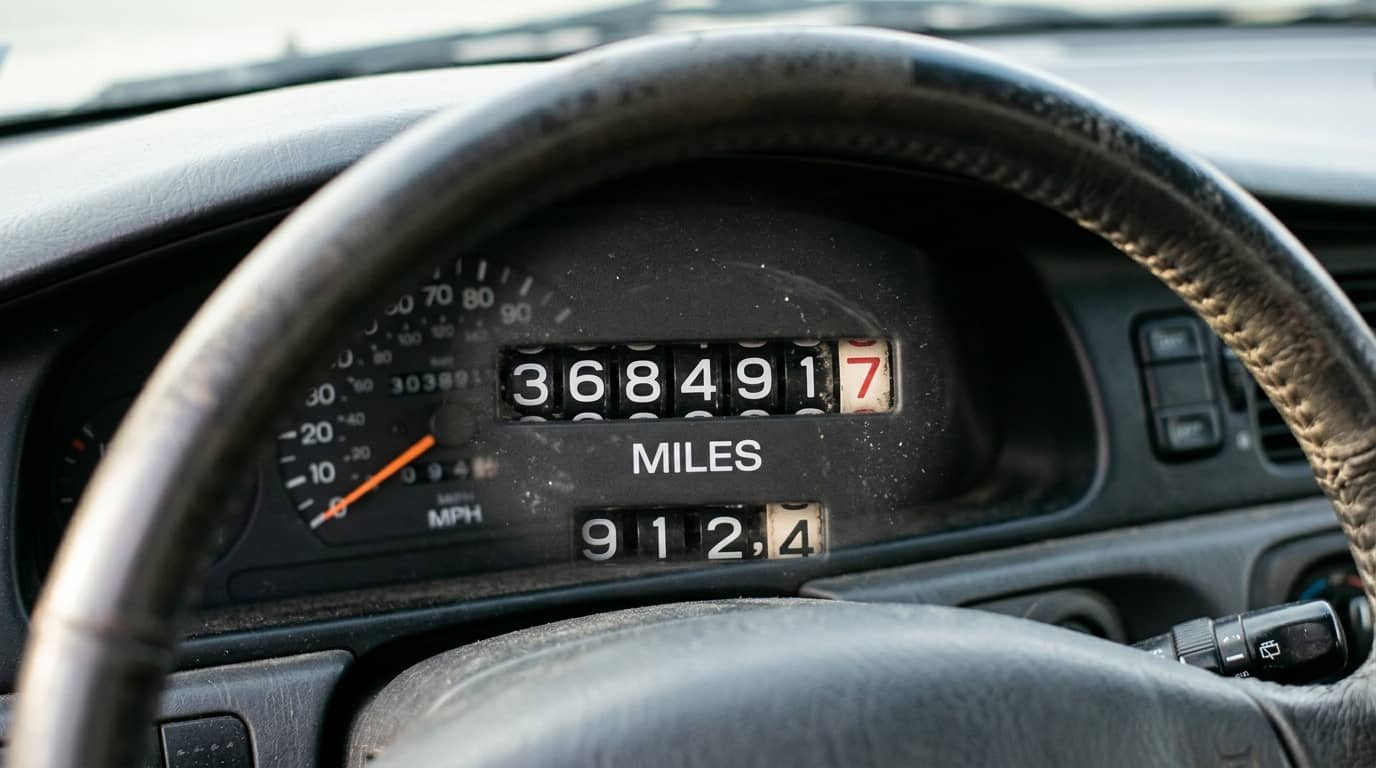
Can a VIN check show mileage? Yes, a VIN check can show mileage, but it is important to understand what that means and what it does not.
A vehicle history report pulls odometer readings from multiple sources over the life of the car. When those readings are compared side by side, they can reveal whether the mileage has been consistent, whether it jumped in a way that does not make sense, or whether it actually went down, which is a sign of odometer rollback.
If you are looking at a used car and you want to know whether the mileage is honest, check the VIN and review the odometer history before you trust anything the seller tells you.
Where the Mileage Data Comes From
A vehicle history report collects odometer readings from several different sources:
- State title transfers, which require an odometer disclosure by law
- Insurance claims and records
- Dealer auction records
- State inspection and emissions records
- Service records from shops that report to major databases
- Rental and fleet company reporting
Each time one of those events is recorded, a mileage snapshot goes into the system. Over time, those snapshots create a timeline you can review.
The National Motor Vehicle Title Information System, known as NMVTIS, is one of the federal databases that aggregates this information. Vehicle history reports draw from NMVTIS along with other sources to give you as complete a picture as possible.
What to Look For in the Mileage History
When you pull up the odometer history on a VIN report, you are looking for a consistent upward trend. Mileage should only go up, and it should go up at a rate that makes sense for how old the car is.
Here are the warning signs:
Mileage that goes down. This is the clearest sign of odometer rollback. If a report shows 94,000 miles at one entry and 67,000 miles at a later entry, the odometer was tampered with.
A large unexplained gap. If there are years between odometer readings and the numbers jump dramatically in either direction with no explanation, that gap is worth questioning.
Mileage that does not match the car’s age. A five-year-old car with 12,000 miles might be legitimate, but it is worth asking why. Conversely, a car showing very low mileage for its age combined with heavy wear on the pedals, steering wheel, and seats suggests the numbers do not match the reality.
A sudden drop right before the car changed hands. If the mileage was high and then dropped just before a title transfer or a private sale listing, that is a red flag worth taking seriously.
What a VIN Check Cannot Tell You
A vehicle history report only shows mileage that was actually recorded and submitted to one of the databases it draws from. If a car went years without an inspection, a title transfer, or an insurance claim, there may be large gaps in the mileage record.
This is why the report is a starting point, not a final answer. A clean odometer history on a report does not guarantee the mileage was never tampered with. It just means no tampering was caught in the recorded data.
How to Verify the Mileage Beyond the Report
If you want to go deeper, there are a few additional ways to check the mileage:
Look at service records. Oil change stickers, maintenance receipts, and inspection records often show the mileage at the time of service. Compare those numbers to the report and to the current odometer reading.
Check the title. Title transfers in most states require an odometer disclosure. Look at the mileage listed on the title and compare it to what the car shows now.
Ask a mechanic to scan the ECUs. Modern vehicles store mileage data in multiple electronic control units independently of the instrument cluster. A mechanic with a scan tool can read those stored values. If the ECU mileage disagrees with the dashboard odometer, tampering has occurred.
Compare physical wear to the mileage. High mileage cars show it. Worn pedal rubber, a shiny steering wheel, heavily used seat fabric, and worn door handle edges are all signs of a car that has been driven a lot. If the car shows significant wear but the mileage reads low, trust the wear.
Why This Matters
Odometer fraud affects more than 450,000 vehicles sold in the US every year and costs buyers over a billion dollars annually. A rolled-back odometer makes a high-mileage car look younger and less used than it is, which means you pay more than the car is worth and inherit wear and maintenance needs you did not budget for.
Checking the mileage history through a VIN report is one of the fastest and most effective ways to catch this before it costs you. It takes a few minutes and gives you data the seller cannot easily argue with.
This topic connects directly to our article on odometer rollback and how to spot mileage fraud, which goes deeper into the physical signs to look for during an inspection.
Run a VIN check and review the full odometer history before you agree to any price on a used car.
Frequently asked questions
Is the mileage in a VIN report always accurate?
The mileage in a vehicle history report reflects what was recorded at specific events like inspections, registration renewals, insurance claims, and auction sales. It is only as complete as the records submitted to the reporting databases. Mileage between recorded events is not tracked, which is why looking for a clean ascending line matters more than any single recorded number.
Can a rolled-back odometer fool a VIN report?
Sometimes, but not always. If a car showed 90,000 miles at a state inspection two years ago and now shows 60,000 miles on the dash, the mileage history in the report exposes that discrepancy even if the current odometer reads lower. The records of past mileage cannot be erased. That is exactly what makes the mileage history section of a VIN report one of the most useful tools for catching odometer fraud.
What should you do if the mileage in a VIN report does not match the odometer?
Walk away from the purchase unless you have a very compelling reason and independent verification. A mileage discrepancy between what the odometer shows and what the history report records is one of the clearest signs of odometer tampering. NHTSA estimates more than 450,000 vehicles are sold each year with false readings. The financial loss from overpaying for a high-mileage car sold at low-mileage prices can be significant.