
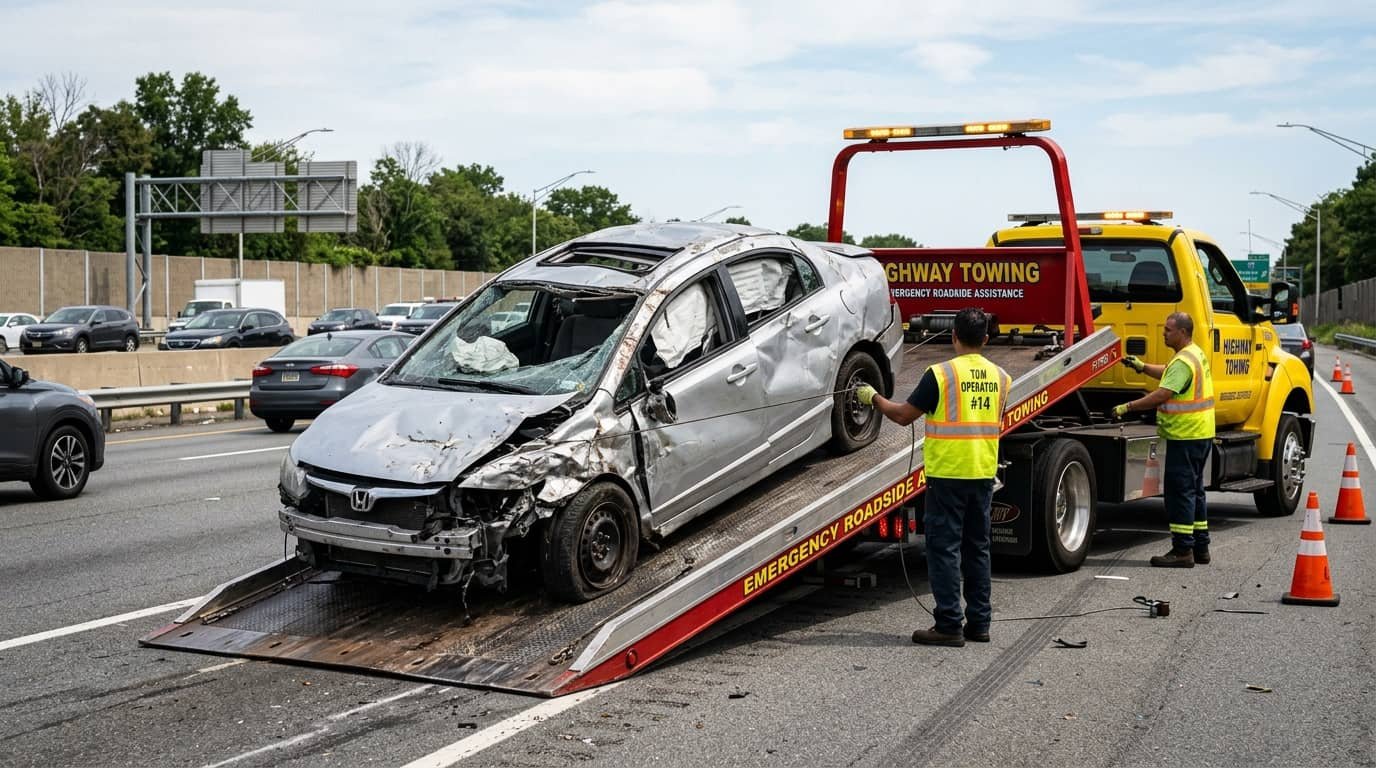
Here is what you need to understand before you decide whether to walk away or look further. And if you are already looking at a specific car, check the VIN and see the full history so you know why the salvage title was issued in the first place.
Why a Salvage Title Gets Issued
A salvage title means an insurer declared the vehicle a total loss. That happens when the cost to repair the damage gets close to or exceeds the car’s market value, typically somewhere between 75 and 90 percent depending on the state.
The events that trigger a salvage title include serious collisions, flood damage, fire damage, hail, and theft recovery where the vehicle came back in poor condition.
The key word is serious. A fender bender does not trigger a salvage title. A parking lot scratch does not trigger a salvage title. For a car to reach salvage status, something significant had to happen to it.
The Real Problems With a Salvage Title
Safety may be compromised.
If the salvage title came from a collision, the car’s crash structure may have been weakened. Modern vehicles are designed to absorb and redirect impact energy in a specific way. Once that structure is bent or repaired improperly, it may not protect you the same way in a future accident.
Airbag systems are also a concern. A vehicle that had airbags deploy needs those bags and all the sensors and modules replaced and recalibrated correctly. If that was not done properly, the airbags may not work when you need them.
Insurance is limited and sometimes unavailable.
Most insurers will only offer liability coverage on a salvage vehicle. Collision and comprehensive, the coverage that pays when your car is damaged or stolen, is often unavailable. Some insurers will not write any policy at all. If you are in an accident driving a salvage title car and you are at fault, you would be paying for your own repairs out of pocket.
Financing is nearly impossible.
Banks and credit unions typically will not approve loans on salvage vehicles. If you need financing to buy a car, a salvage title effectively takes it off the table.
Resale value drops and stays down.
A salvage title permanently reduces what a car is worth. Even fully repaired and rebuilt, these vehicles sell for 20 to 40 percent less than comparable clean title cars. That gap does not shrink over time. When you go to sell, buyers will walk away or offer very low.
You may lose any remaining warranty.
When a vehicle is declared a total loss, manufacturers typically treat that as voiding the factory warranty, even if years of coverage remain. That is something most buyers do not think about until they need warranty service and are told they are not covered.
When a Salvage Title Might Be Acceptable
There are situations where a salvage title makes sense:
- You are a mechanic or rebuilder who can fully assess and complete repairs yourself
- You are buying it for parts
- The salvage was caused by something cosmetic, like hail damage, rather than structural collision damage
- You have confirmed through a thorough inspection exactly what was damaged and what was repaired
- You do not need financing and accept the insurance limitations going in
For a typical buyer who wants a reliable, insurable, financeable car they can eventually resell, a salvage title is a significant obstacle on all four of those fronts.
Red Flags That Make a Salvage Title Car Even Riskier
Some salvage title cars carry more risk than others. Walk away if you see any of these:
- The VIN report shows airbags deployed and there is no documentation that they were replaced
- The salvage was caused by flood damage
- The seller cannot explain why the title is branded or claims not to know
- There are no repair records for the damage that triggered the salvage designation
- The car has multiple title brands, such as salvage plus flood
- The price is only slightly below market, not significantly discounted
The Bottom Line
A salvage title is bad in the sense that it comes with real, lasting consequences around safety, insurance, financing, and resale. Most buyers are better off avoiding them.
If you are still considering one, start with the VIN report. See what is on record for this vehicle and understand exactly what happened before you decide whether it is worth the risk.
You can also read our article on what a salvage title means for more background, and our piece on buying a car with a salvage title if you want to go deeper on the process.
Frequently asked questions
Are salvage title cars safe to drive?
It depends on what caused the salvage designation and how well the vehicle was repaired. A car totaled due to hail damage with a solid mechanical structure may be perfectly safe after cosmetic repairs. A car declared a total loss after a major frontal collision with airbag deployment and frame damage carries real safety unknowns even after visible repairs. A mechanic inspection on a lift by someone who specializes in structural assessment is the only way to get a real answer for a specific vehicle.
Will a bank finance a salvage title car?
Most traditional lenders, including banks and credit unions, will not finance a salvage title vehicle. Some specialty lenders and buy-here-pay-here dealers may offer financing, typically at higher rates and with more restrictive terms. If you are buying a salvage title car, plan on paying cash or finding alternative financing. This also affects your ability to resell the car, since most buyers who need financing cannot purchase it.
How do you know if a salvage title car was repaired correctly?
You cannot tell from a visual inspection alone. A car can look completely normal after a major structural repair done to a low standard. The most reliable method is having an independent mechanic put the car on a lift and specifically assess the frame, welds, suspension mounting points, and any areas relevant to the original damage. Ask for documentation of the repair work done and who performed it. If the seller cannot provide any documentation, that is itself a concern.